

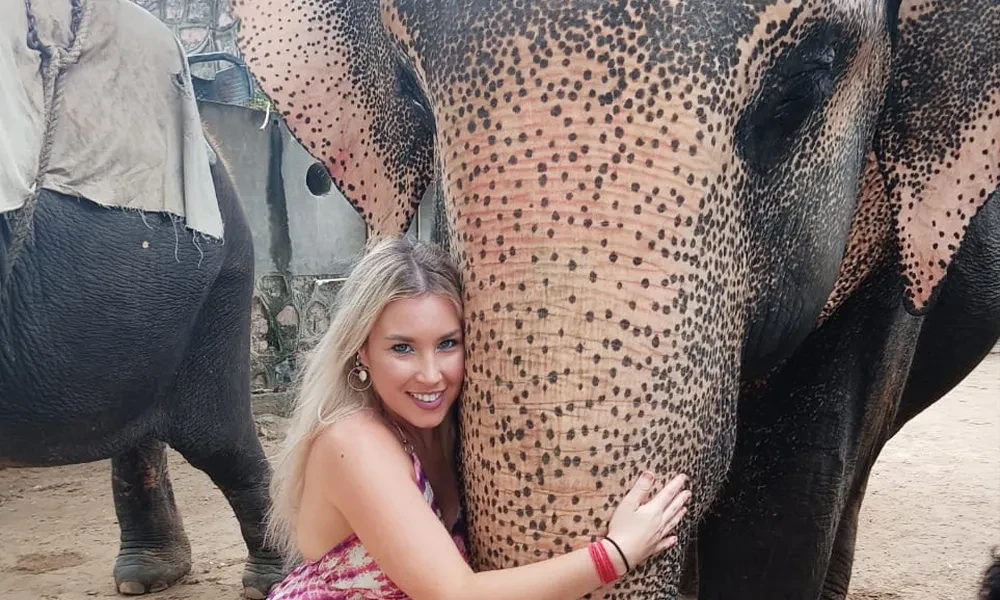
Elephants deserve proper care throughout their lives. Responsible wildlife centres help protect these gentle animals by providing suitable surroundings and respectful daily attention. Their work also teaches visitors about animal welfare and the importance of protecting natural habits.
An elephant sanctuary samui represents the growing interest in responsible wildlife activities. Such centres focus on allowing animals to live without unnecessary pressure while helping people understand their needs. Learning about ethical practices encourages better choices and supports long term protection.
Understanding Animal Freedom Needs
Freedom is an important part of responsible care. Elephants should have opportunities to explore their surroundings independently.
Protecting Social Family Connections
Elephants often form strong relationships with their groups. Ethical centres respect these connections and avoid unnecessary separation.
Encouraging Public Wildlife Awareness
Educational activities help visitors understand animal needs. Clear information can inspire more responsible attitudes towards wildlife.
Maintaining Clean Natural Surroundings
Healthy surroundings support everyday animal activities. Clean water and suitable resting areas are essential for proper care.
Following Ethical Care Standards
Responsible centres follow clear welfare rules. Their daily practices should place animal needs above visitor entertainment.
Encouraging Natural Feeding Habits
Elephants benefit from suitable plants and regular access to natural resources. Feeding practices should follow responsible guidelines.
Important signs of responsible management include:
Allowing animals to move freely throughout their surroundings.
Providing clean water throughout the day.
Respecting natural group relationships.
Avoiding forced performances or unnecessary physical contact.
Offering visitors clear information about animal welfare.
Educating Visitors About Wildlife
Learning opportunities help people understand responsible animal care. Visitors can observe natural behaviour while following centre guidelines.
Supporting Long-Term Wildlife Protection
Ethical centres can contribute to wider protection efforts. Their work encourages public awareness and respect for animal rights.
Avoiding Harmful Tourist Activities
Some attractions encourage activities that may create stress. Ethical places reject practices that restrict natural movement or force unwanted contact. Visitors can choose an elephant sanctuary samui that explains its welfare policies openly.
Choosing Responsible Wildlife Centres
Visitors should examine daily practices before selecting a centre. Useful points to consider include:
- Transparent animal welfare policies.
- Suitable living conditions.
- Respectful visitor guidelines.
- No forced entertainment activities.
- Clear educational information.
Promoting Better Animal Care
Responsible management requires consistent attention. Staff should understand animal behaviour and make welfare the main priority.
Protecting elephants requires informed decisions and responsible management. Visitors should select centres that respect natural behaviour rather than offer forced activities. Supporting ethical practices helps improve public understanding while encouraging stronger wildlife protection. Every responsible choice can contribute to a future where elephants receive proper care and enjoy greater freedom.