

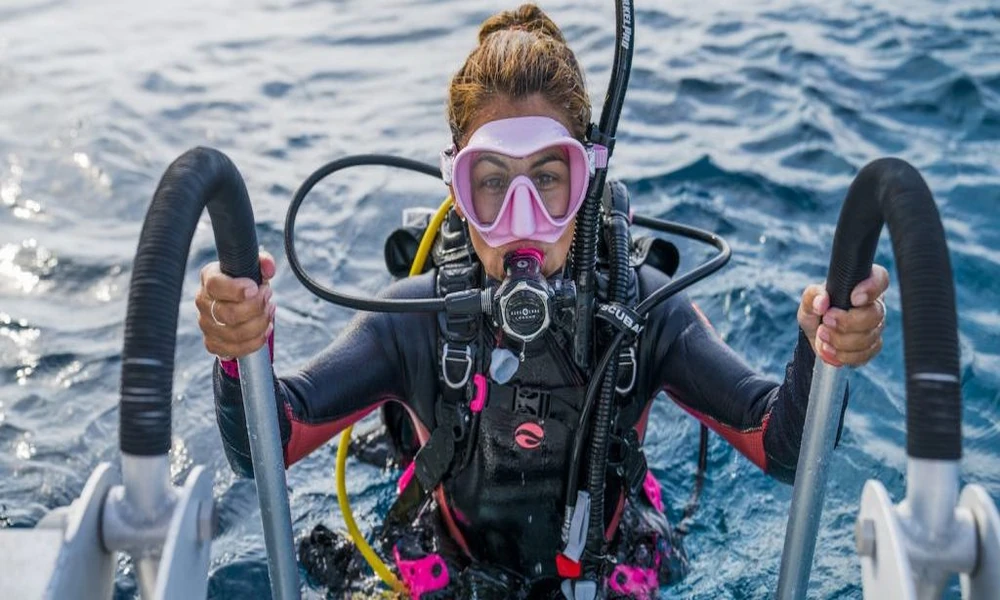
Southern Utah is known for red rock hikes, desert drives, and national park routes, but travelers who only pack trail shoes can miss an unexpected experience: diving. Around St. George, clear water, training options, and easy access from Las Vegas or Salt Lake City make it practical to add underwater adventure to a desert trip.
Before you book a class, rent gear, or schedule a guided dive, use this checklist to plan the details that affect comfort, safety, timing, and cost.
Check Your Certification Status Before You Travel
Start with the basics: are you already certified, recently certified, or completely new?
If you have a certification card, make sure your agency record is easy to access from your phone. Many dive centers can verify credentials digitally, but you do not want to sort that out at the counter while a group waits. If it has been a few years since your last dive, ask whether a refresher makes sense. Skills fade, especially buoyancy control, mask clearing, and gear setup.
New divers should allow enough time for training. An entry-level course usually includes online coursework, confined-water practice, and open-water dives. Squeezing everything into the last day of vacation creates pressure. If diving matters to the trip, put it early in the itinerary.
Match the Dive Plan to the Season
St. George travel changes with the weather. Spring and fall often bring comfortable daytime temperatures, making them popular for hiking, biking, and sightseeing. Summer can be extremely hot, which makes water activities appealing, but heat also affects hydration, energy, and how you handle gear before and after a dive.
Winter can still work, especially for training, but ask about exposure protection. Water temperature matters more than air temperature once you are submerged. The right wetsuit, hood, gloves, or layered setup can be the difference between a relaxed dive and a short one.
Seasonal planning also affects availability. Holiday weekends, spring break, and national park travel peaks can fill schedules quickly. If your trip includes Zion, Snow Canyon, or a regional road trip, reserve dive time before the rest of the calendar gets crowded.
Choose a Local Dive Shop That Fits Your Trip
A good dive shop does more than rent tanks. It helps travelers make smart decisions based on experience level, schedule, equipment needs, and local conditions. When researching scuba diving St George Utah, look for clear information about classes, guided options, gear support, and how the team works with visitors balancing diving with other plans.
Ask direct questions before booking:
- Do you offer beginner training or refresher sessions?
- What gear is included, and what costs extra?
- How much time should I allow?
- Are there age, health, or swimming requirements?
- What happens if weather or conditions change?
Clear answers upfront help prevent surprise expenses and scheduling problems.
Review the Real Costs, Not Just the Listed Price
Travelers often compare the headline price of a class or dive, then forget smaller costs. Depending on your plan, you may need course materials, gear rental, certification fees, transportation, tips, site fees, snacks, or extra clothing.
If you are flying, bringing full dive gear may not make sense. Baggage fees can outweigh rental savings on a short trip. A personal mask, snorkel, and fins can still be worth packing because fit matters. A leaking mask can ruin a dive faster than almost any other minor gear issue.
Also consider the cost of overpacking your itinerary. A strenuous hike the morning after a long training day may reduce your enjoyment of both. The better value may be a slower schedule that lets each activity feel worthwhile.
Prepare Your Body for Desert Conditions
Diving and desert travel share one quiet risk: dehydration. Visitors often underestimate how quickly the dry climate pulls moisture from the body. Add walking, sun exposure, caffeine, alcohol, or long drives, and you can start a dive day already depleted.
Drink water consistently the day before, not just on the way to the dive site. Eat a real meal, pack easy snacks, and avoid heavy drinking the night before. Bring sun protection for surface time, including a hat, sunglasses, and sunscreen that will not irritate your eyes.
If you have medical concerns, recent surgery, asthma, heart issues, ear problems, or anxiety in water, address them before arrival. Dive professionals can explain requirements, but they should not be expected to resolve medical uncertainty at the last minute.
Pack for the Full Day, Not Just the Dive
A successful dive day depends on small items that keep you comfortable before and after the water. Add these to your packing list:
- Swimsuit or base layer
- Towel and dry clothes
- Refillable water bottle
- Sandals or shoes that can get wet
- Light jacket or warm layer
- Certification card or digital record
- Any required forms
- Personal mask if you own one
- Hair tie or strap cover if needed
- Waterproof bag for damp items
If you wear contact lenses, bring backups. If you use prescription glasses, ask about mask options early. Do not assume every prescription need can be handled on the spot.
Coordinate Diving With the Rest of Your Itinerary
St. George is often part of a bigger trip. Travelers may be heading to Zion, Bryce Canyon, Lake Powell, Las Vegas, or the Grand Canyon region. That makes timing important.
Avoid placing a dive session in the middle of a tight travel day. Gear fitting, briefings, paperwork, driving, and cleanup can take longer than expected. If you are flying after diving, follow proper surface interval guidance before boarding. Ask the dive shop for timing based on your actual plan.
For families or mixed-interest groups, consider whether everyone needs to participate. Some travelers may prefer a class, while others would rather hike, shop, or relax. A flexible schedule keeps the dive from feeling like an obligation.
Make the Experience Easy to Repeat
The best travel activities do not feel like one-off stunts. They create confidence. If this is your first dive experience, take notes afterward: what gear fit well, what made you nervous, what you want to practice, and whether you would like to continue toward certification.
St. George gives travelers a rare combination: desert scenery above the surface and skill-building opportunities below it. With the right preparation, diving can become more than a side activity. It can be the part of the trip people remember because it surprised them, challenged them, and showed them a different side of southern Utah.