

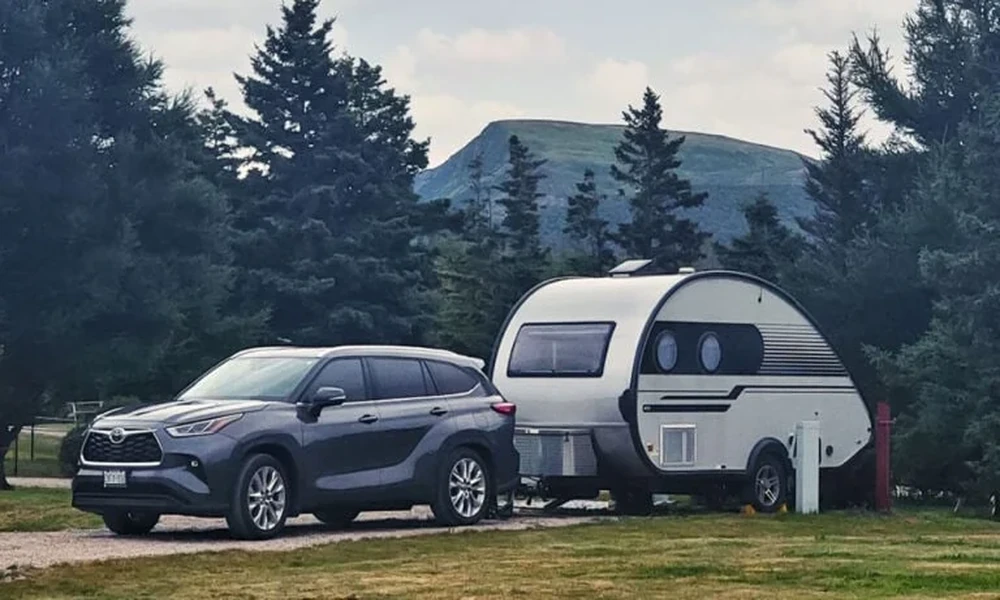
RV travel in Utah can be beautiful, but it can also be hard on the vehicle. Long drives, heat, dust, elevation changes, rough roads, and remote camping spots all add stress to systems that already work together in a tight space.
An RV is not just a vehicle. It is also a small home with plumbing, electrical systems, appliances, heating, cooling, batteries, tanks, seals, and safety equipment. When one part starts failing, the first symptom may look small. A flickering light, weak water flow, slow appliance startup, or strange smell can be an early warning sign.
The problem is that many RV issues are not obvious at first. By the time something fully stops working, the underlying cause may have been building for days, weeks, or even months.
Electrical Problems Often Start Small
Electrical trouble is one of the most common frustrations for RV owners. At first, it may look like a simple loose connection or tripped breaker. Sometimes that is all it is. Other times, the real issue is harder to find.
Dust, vibration, moisture, heat, and age can all affect wiring and connections. A small amount of corrosion in a junction box can create resistance. A weak ground can cause lights, outlets, or appliances to act strangely. A battery that seems bad may actually be suffering from poor charging or a failing regulator.
These problems can appear and disappear, which makes them easy to ignore. The lights may flicker once and then work fine. The refrigerator may run normally one day and struggle the next. Those patterns are worth writing down because they can help a repair tech find the real cause faster.
Plumbing and Water Systems Need Attention
RV plumbing is also under constant stress. Pipes, fittings, valves, pumps, tanks, and water heaters are exposed to movement and temperature changes. Over time, small leaks or weak connections can form.
A leak may only appear when the system reaches a certain pressure. That makes it difficult to spot during a quick inspection. Hard water can also leave mineral buildup inside fixtures, water heaters, and valves. This can reduce flow, strain the pump, or make the water heater less efficient.
Owners should watch for soft spots, unusual pump cycling, low water pressure, dripping under the RV, or damp smells inside cabinets. These signs can point to hidden water problems before they become major damage.
Utah Conditions Can Make Problems Worse
Utah’s travel conditions can bring out weaknesses in an RV. Desert heat can stress seals, tires, batteries, and cooling systems. Dust can work its way into vents, compartments, and electrical areas. Mountain driving can put added strain on brakes, engines, transmissions, and cooling systems.
Elevation changes can also affect appliances and systems that depend on airflow, combustion, or pressure. A refrigerator, furnace, or water heater that works well in one location may struggle in another.
Because many Utah destinations are far from large service centers, even a small issue can become a serious disruption. That is why early attention matters. It is easier to fix a weak connection, small leak, or worn seal than to deal with a full failure during a trip.
On-Site Repair Can Save a Trip
When an RV breaks down at a campground, driveway, or remote travel stop, towing it to a shop can be expensive and difficult. Some problems may not require towing at all. They may only require the right diagnostic tools, parts, and experience brought directly to the RV.
That is where mobile service can help. A technician can inspect the issue where the RV is parked, check the visible symptom, and look for the deeper cause behind it. This is especially useful for electrical, plumbing, appliance, battery, and roof or seal problems.
For travelers dealing with unexpected problems on the road, finding reliable Mobile Rv Repair Utah support can help reduce downtime and keep the trip from falling apart.
Keep a Simple RV Problem Log
One of the best things an owner can do is keep a basic log of small problems. Write down when the issue happened, where the RV was parked, what system was running, and whether the problem went away.
For example, note if the lights flicker only when the air conditioner starts. Write down if the water pump cycles when no faucet is open. Track whether an appliance works better at lower elevation than in the mountains.
These details help separate random inconvenience from a real pattern. They also give a repair technician a better starting point.
RV problems are easier to manage when they are caught early. By paying attention to small warning signs, understanding how Utah conditions affect your rig, and knowing when to call for help, you can protect both your RV and your travel plans.