

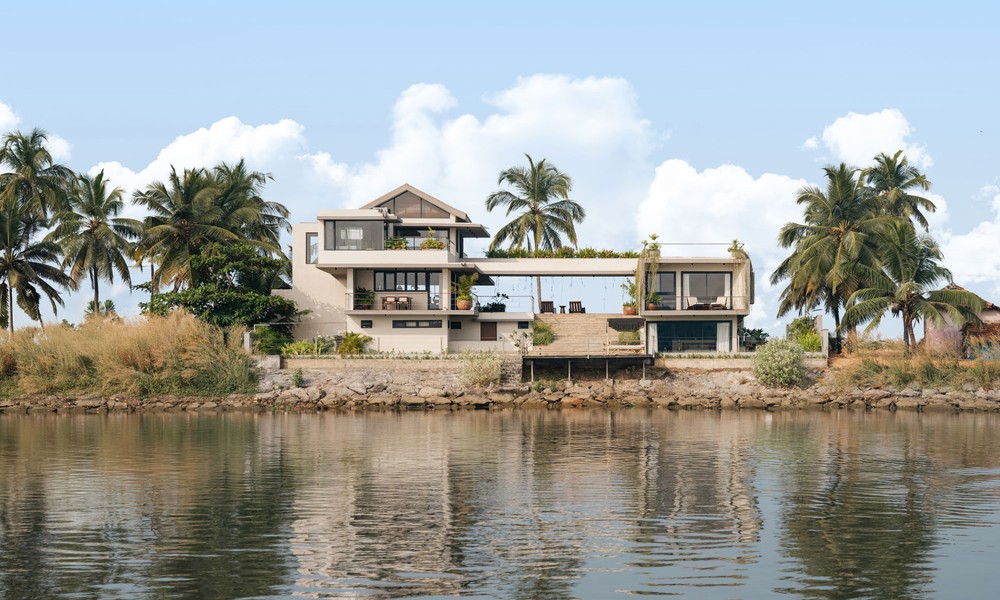
Some coastal trips feel busy from the beginning. Others slow people down almost immediately after arrival. The difference usually comes from the surroundings more than the actual schedule. Open space, quieter evenings, slower mornings near the sea. Small things start changing daily routines without travelers planning it carefully.
People searching for hotels in phang nga often look beyond room photos now. Sometimes people just want somewhere that feels easier to exist in for a few days.
Quiet surroundings influencing modern travel choices
Travelers react differently to noise once they leave city environments. After arriving near the coast, many guests suddenly become more aware of crowded spaces, loud traffic, or constant movement around shared areas.
That shift happens pretty quickly.
Some people actively search for:
- Quieter beachfront sections
- Lower room density
- Open outdoor seating
- Less crowded pathways
- Softer evening atmosphere
And honestly, silence is not always the goal. A lot of travelers still enjoy activity nearby. They just do not want constant pressure around them throughout the entire stay.
There is a difference between lively and exhausting.
Why slower coastal stays feel different from city travel
City trips usually push people toward movement. Walking constantly. Booking activities. Following schedules. Coastal stays often work differently because the environment itself encourages slower habits after a while.
Guests wake up later. Meals stretch longer. Plans become less structured.
Sometimes travelers arrive with full itineraries and quietly abandon half of them after two days near the beach.
That happens more than expected.
A slower stay often includes:
- Longer outdoor meals
- More time inside the property
- Flexible afternoon schedules
- Casual beach walks
- Unplanned resting periods
And not every traveler feels comfortable slowing down immediately. Some people need a couple days before the pace starts changing naturally.
Accommodation layouts supporting rest without feeling isolated
Completely isolated accommodation does not suit everyone. Some guests enjoy privacy but still want restaurants, pools, or shared areas close enough to reach easily.
That balance matters.
Properties with thoughtful layouts usually allow guests to choose different moods throughout the day. Quiet during mornings. More social during evenings if they want it. Then back to calmer spaces afterward.
A few details often help:
- Separate room zones
- Open pathways
- Comfortable outdoor seating
- Easy beach access
- Flexible shared spaces
And people use properties differently depending on travel mood. Someone wanting activity one day may spend the next afternoon avoiding crowded areas entirely.
Holiday energy changes around a little.
Changing travel expectations among modern coastal visitors
Travel expectations have shifted over time. Guests no longer judge coastal accommodation only by appearance or luxury features. They notice atmosphere, movement, comfort, and whether staying there actually feels relaxing after several days.
Interest in hotels in phang ngacontinues growing partly because travelers now value slower environments where they can spend more time inside the property without feeling trapped or bored.
That feeling matters more than people usually expect before the trip starts.
Some travelers leave remembering the beach most clearly. Others remember the quieter moments around the stay itself instead.