
Government agencies and military organizations face a costly dilemma. They need aircraft for both medical and diplomatic uses. Buying separate planes for each role drains budgets and wastes resources. The solution lies in revolutionary modular designs that transform a single aircraft into multiple specialized platforms within hours.
The Economics of Flexibility
Operating multiple single-purpose aircraft creates financial nightmares. Each plane requires dedicated pilots, maintenance crews, and hangar space. Insurance, fuel, and parts inventories multiply with every additional aircraft. A fleet of specialized planes can bankrupt smaller organizations.
Multi-role aircraft slash these expenses dramatically. One airframe serves five different missions. One crew maintains proficiency on a single platform. Parts inventories shrink. Training costs plummet. The math makes sense immediately.
But early attempts at multi-role designs failed spectacularly. Permanent compromises satisfied no one. Medical teams worked around executive furniture they couldn’t remove. Diplomats sat on utilitarian medical benches during important negotiations. These half-measures pleased nobody and solved nothing.
The Modular Revolution
Modern modular systems have changed everything. Entire cabin sections now swap out like building blocks. What serves as an intensive care unit on Monday becomes a conference room on Tuesday. The transformation happens faster than refueling. Every component fits perfectly because engineers designed them as a complete ecosystem.
These systems go beyond simple seat swapping. Entire walls reconfigure. Ceiling panels interchange. Storage units modify their internal layout. The cabin becomes whatever the mission requires, then changes again for the next task.
Medical Configuration Excellence
The medical module turns aircraft into flying trauma centers. Operating tables lock into floor tracks designed for surgical stability. Patient monitoring systems integrate with the aircraft’s power and communication networks. Oxygen, suction, and medical gas systems route through dedicated channels.
Storage solutions hold enormous medical inventories while maintaining perfect organization. Crash-resistant containers protect delicate medications. Temperature-controlled compartments preserve blood products. Everything stays accessible yet secure during rough flights.
Executive Transport Sophistication
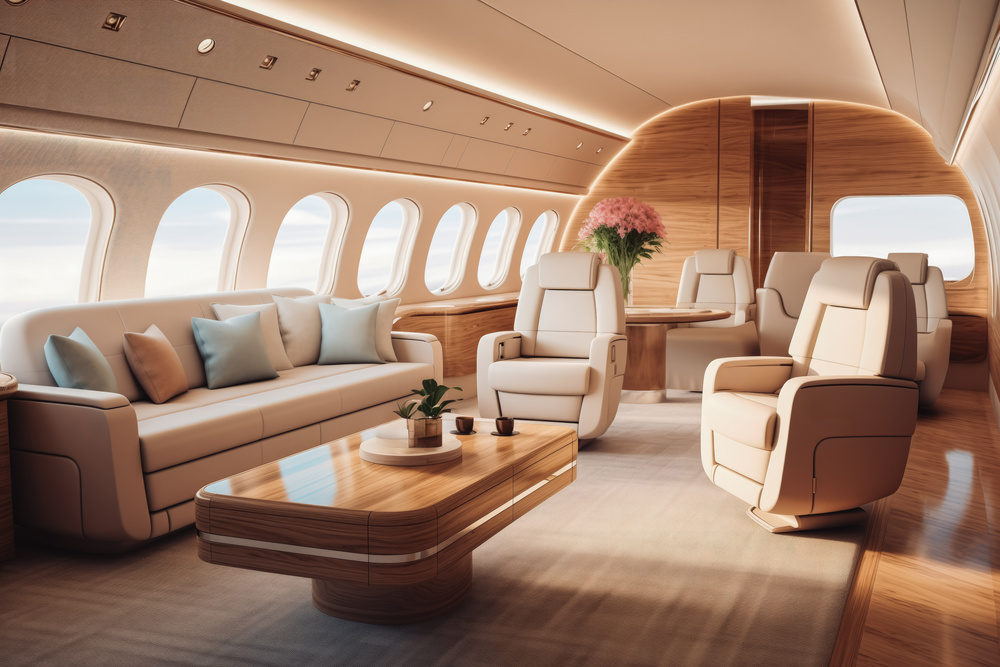
The same aircraft that saves lives transforms into a diplomatic tool that projects professionalism and authority. Executive modules create an environment suitable for international negotiations and high-level meetings. Conference tables emerge from hidden floor compartments. Communication systems enable secure video conferences with global partners. Acoustic treatments guarantee private conversations remain confidential. The space conveys power and capability without ostentation.
VIP cabinetry designed by companies like LifePort integrates sophisticated technology while maintaining an appearance of understated elegance, proving that functional modules don’t require sacrificing refinement or comfort. Sleeping quarters allow officials to arrive rested after overnight flights. Work areas support staff productivity during travel. These details matter in international relations.
The Technical Challenge
Making modular systems work demands engineering precision. Weight and balance calculations must account for every possible configuration. The aircraft’s center of gravity shifts as modules change. Flight computers need updated parameters for each setup.
Certification presents another hurdle. Aviation authorities must approve every configuration as if it were a different aircraft. This means extensive testing, documentation, and inspection. The process takes years and millions of dollars. Safety systems adapt to each role. Emergency oxygen deploys differently for patients versus passengers. Evacuation procedures change based on the installed equipment. Crews train in every variation until responses become automatic.
Conclusion
Multi-role aircraft design has matured from an impossible dream into operational reality. Modern modular systems deliver true flexibility without compromise. Organizations operate single aircraft that excel at multiple missions. This saves money while improving capability. The outcome was worth the years of work and money. With rising budget constraints and mission needs, multi-role aircraft are the future for government and military aviation. The question isn’t whether to adopt these systems, but how quickly organizations can transition to this smarter way of flying.