

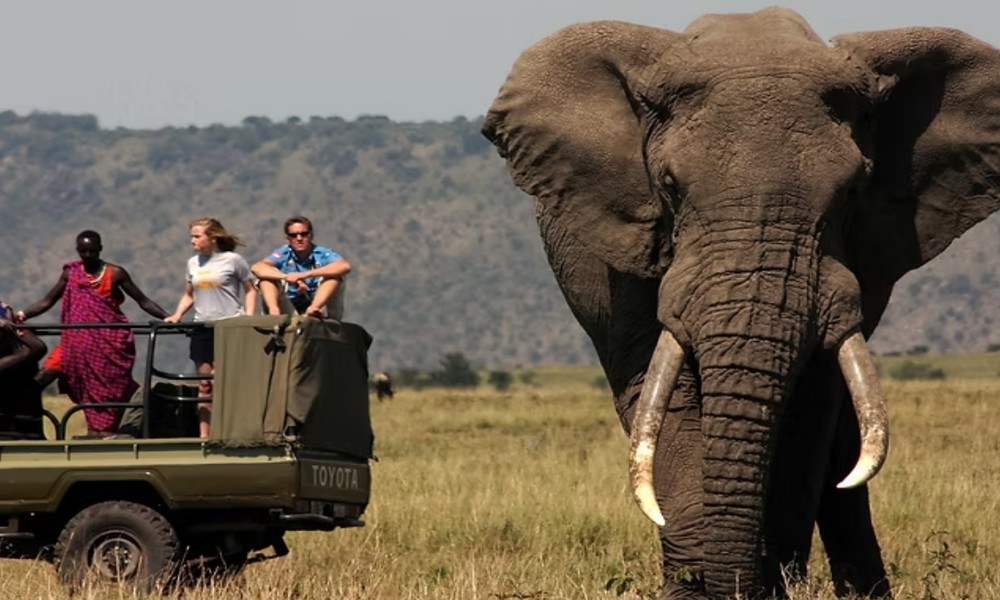
Most people come back from an African safari saying it was incredible – and meaning it – while quietly feeling like something slipped past them. The wildlife was real, the landscapes were vast, and yet the whole thing felt slightly managed. Slightly predictable. That feeling has a specific cause. The itinerary they followed was designed for volume, not for them. The extraordinary version of that same trip existed the entire time. Working with a bespoke African safari specialist is simply how you access it – and the difference between the two experiences is something travellers only fully understand after they’ve lived both.
What Standard Booking Actually Delivers
Packaged safari itineraries are engineered around consistency. They need to work reliably across hundreds of different travellers with different expectations, which forces them toward the middle – the most trafficked reserves, the most predictable wildlife corridors, the itineraries that rarely surprise anyone. Nothing goes badly wrong. Nothing catches you genuinely off guard either. Fifteen vehicles surrounding the same lion pride in peak season is technically authentic Africa. It’s just not the version that stays with people for the rest of their lives.
Private Conservancies Change the Rules
Bordering nearly every major national park across East and Southern Africa are private conservancies that most research never surfaces. The rules inside them are completely different – no vehicle limits at sightings, off-road driving permitted, night drives available, walking safaris unrestricted. The wildlife often moves freely between these areas and the adjacent national parks, so the animal encounters are comparable. The experience inside them is not. Specialists who work specific regions know which conservancies genuinely deliver and which ones simply benefit from famous neighbours.
Guides Are Not Interchangeable
This is the detail most travellers discover too late to act on. Guiding quality across African safari operations varies enormously – far more than any camp brochure acknowledges honestly. An exceptional guide reads landscape the way other people read a room. They track predator patrol patterns, interpret animal behaviour mid-sighting, and turn individual encounters into something ecologically coherent. A bespoke African safari specialist maintains direct relationships with specific guides across specific camps and knows exactly whose guiding produces the kind of experience people spend years trying to describe to friends who weren’t there.
Seasonal Timing Is Poorly Understood
The Great Migration is the most misunderstood event in African safari tourism. The river crossing season in the Masai Mara doesn’t follow a fixed calendar – it tracks rainfall patterns across the broader Serengeti ecosystem, which shifts every year. Travellers who booked the textbook month have sat watching an empty river for days because nobody told them conditions were running late. Specialists monitor these patterns actively, adjust recommendations based on what’s actually happening on the ground, and know which alternative areas deliver when the headline attraction underperforms.
Conservation Access Nobody Advertises
The most affecting moments many safari travellers describe have nothing to do with predator sightings. They come from somewhere quieter – sitting with a field researcher explaining how a specific elephant family’s ranging behaviour has shifted, or walking through a community school that exists because the lodge model was built around genuine local investment. This layer of experience doesn’t appear on booking platforms. It exists through relationships that specialists spend years building on the ground, and it changes how the entire trip feels in retrospect.
Logistics Failures Are Preventable
Multi-destination African itineraries carry real vulnerability that most travellers don’t see coming. Internal flight schedules across the continent are thin, connections are often tight, and disruption in one place creates problems everywhere downstream. Specialists design around these weak points from the beginning – building appropriate time buffers, knowing which connections are historically fragile, and maintaining the direct operator relationships that allow problems to be resolved quietly before they reach the traveller.
Conclusion
Africa rewards proper preparation in a way most destinations simply don’t. The private conservancies, the exceptional guides, the conservation depth, the seasonal intelligence – none of it surfaces reliably through conventional booking. A bespoke African safari specialist brings the regional knowledge and long-standing relationships that make these layers genuinely accessible. For Australian travellers who want to actually understand Africa rather than pass through it, specialist guidance isn’t optional – it’s the most consequential decision the whole journey involves.